



If you look at a company’s balance sheet, you will usually find “Maintenance” listed under expenses. For some Finance Leaders, it feels like a necessary evil—a bill that needs to be paid just to keep the lights on.
Here is why shifting your mindset from “Maintenance as a Cost” to “Asset Management as a Strategy” is the most significant financial move a leader can make in 2026 (if you have not already done so).
The Revenue Leak
With unplanned downtime of assets, the leak can vary by industry:
-
• Automotive: $2.3 million per hour
-
• Oil & Gas: $500,000 per hour
-
• General Manufacturing: $260,000 per hour
When you invest in smart asset management, you aren’t just fixing things. You are reclaiming that revenue leak. You are moving from a state of ignorance tax—paying for failures you didn’t see coming—to a state of financial certainty.
CAPEX vs. OPEX
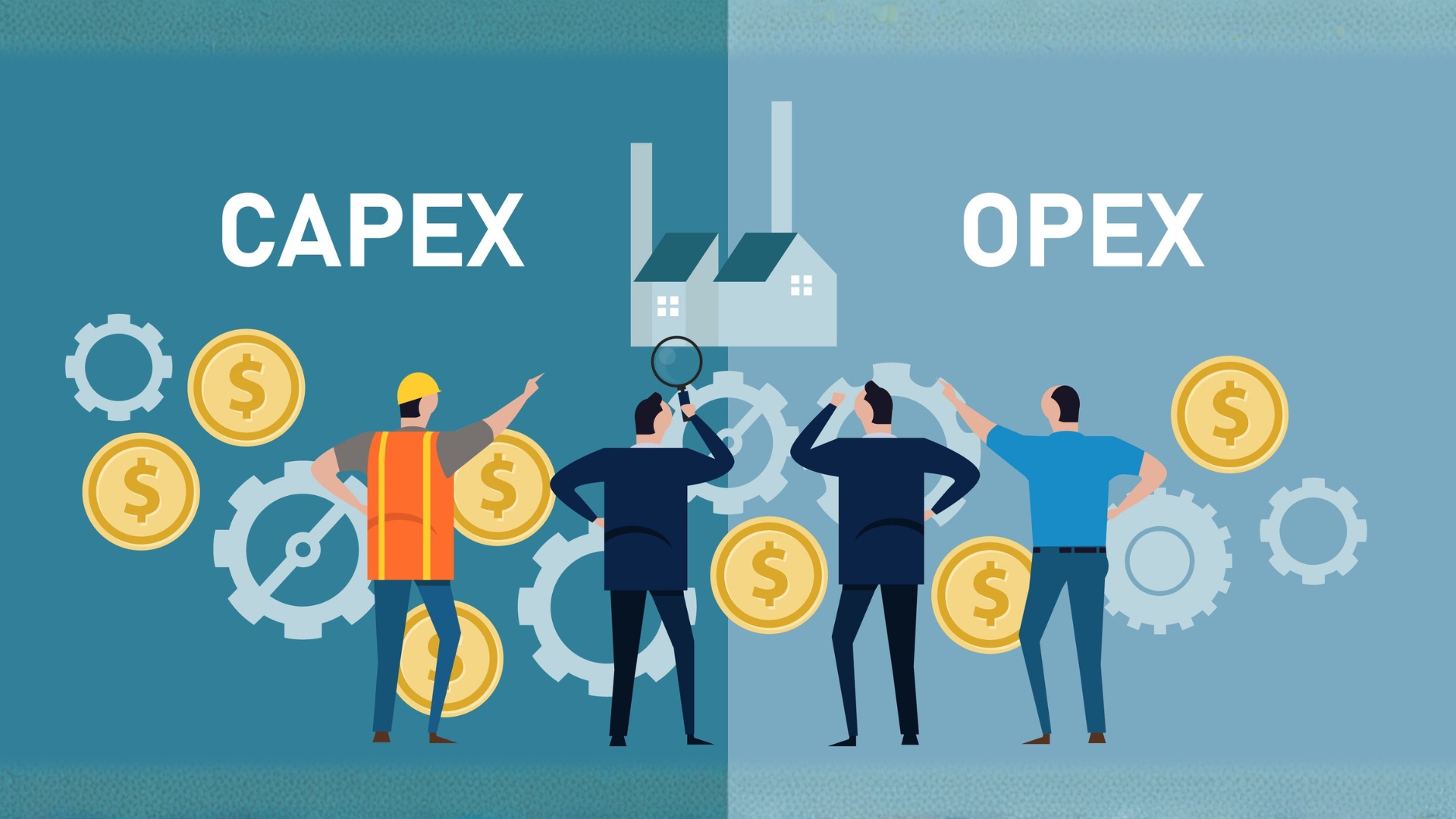
Finance leaders often focus on the initial purchase price of an asset. However, recent Gartner and Siemens lifecycle analyses show that the purchase price is just the tip of the iceberg. Over its life, an asset’s maintenance, energy, and downtime costs can be 4 to 10 times the original sticker price.
By using Predictive Maintenance, you don’t just save on repairs; you extend the life of the asset. If you can make a $10 million turbine last 25 years instead of 20, you’ve just significantly improved your return on assets (ROA) and delayed a massive capital expenditure.
Sustainability as a Margin Driver
In 2026, ESG (Environmental, Social, and Governance) is no longer a nice-to-have checklist—it’s a profit driver. New research shows that Digital Twin technology—which creates a virtual map of your physical assets—can lead to energy reductions of 15% to 30%.
Think of the Energy and Power industry. A plant that uses 20% less energy to produce the same output isn’t just greener—it is significantly more profitable. Asset management allows you to trigger alerts when a machine starts wasting energy long before it breaks.
Protecting the Delivery Promise
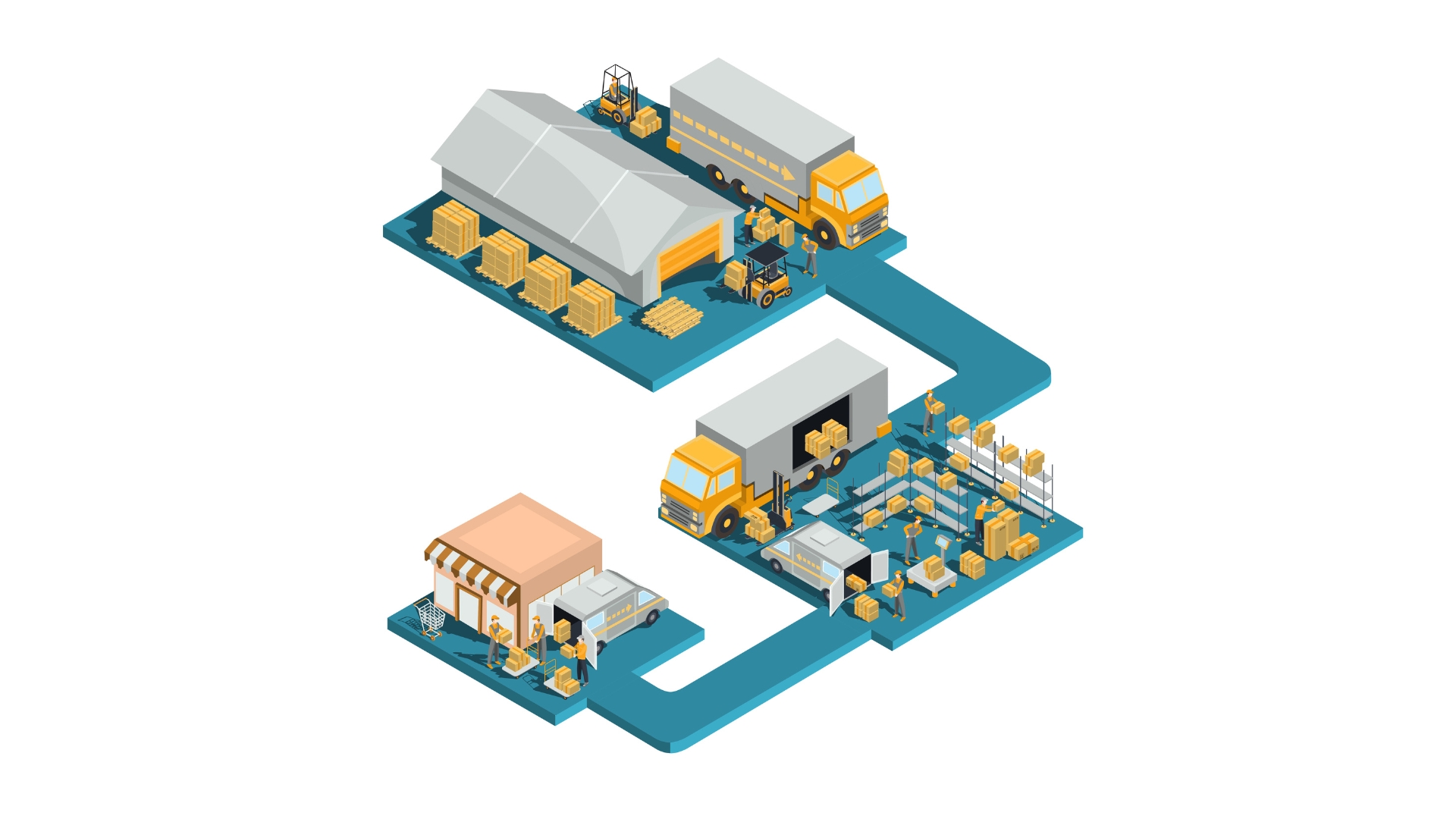
In the Transportation and Logistics sectors, your asset is your product. Whether it’s a high-speed rail corridor or an aviation hub, the cost of a breakdown isn’t just the repair—it’s the nonlinear escalation of secondary costs.
A 2025 study found that unplanned repairs cost 3 to 10 times more than the same work done on a schedule due to emergency labor and expedited shipping. More importantly, missing deliveries damages your brand reputation. In a competitive market, reliability is a premium product you can sell.
The Digital DNA Advantage (E2O)
The most successful organizations today use a strategy called Engineer-to-Operate (E2O).
Historically, 20% of critical engineering data was lost when a project moved from construction to operations. The maintenance team was essentially flying blind. By keeping the Digital DNA—the 3D models and original design specs—unbroken, you give your team a master key to the building.
The Bottom Line
Maintenance is the most powerful tool you have to protect your margins.
When you move from Reactive (firefighting) to Prescriptive (using AI to dictate the best action), you stop spending money and start generating value. You turn your assets into a profit center that ensures your organization is ready to lead in an unpredictable global economy.
Talk to ImageGrafix asset management experts on where you stand on the asset data maturity curve – a free, 2-hour, under-NDA conversation. No demo, no selling. Just a consultative conversation to guide you.