Your Inspection Program Should Be Based on Risk — Not the Calendar.
Cenosco IMS is the leading platform for Risk-Based Inspection in process industries. ImageGrafix is the regional implementation partner who makes it work in your environment.
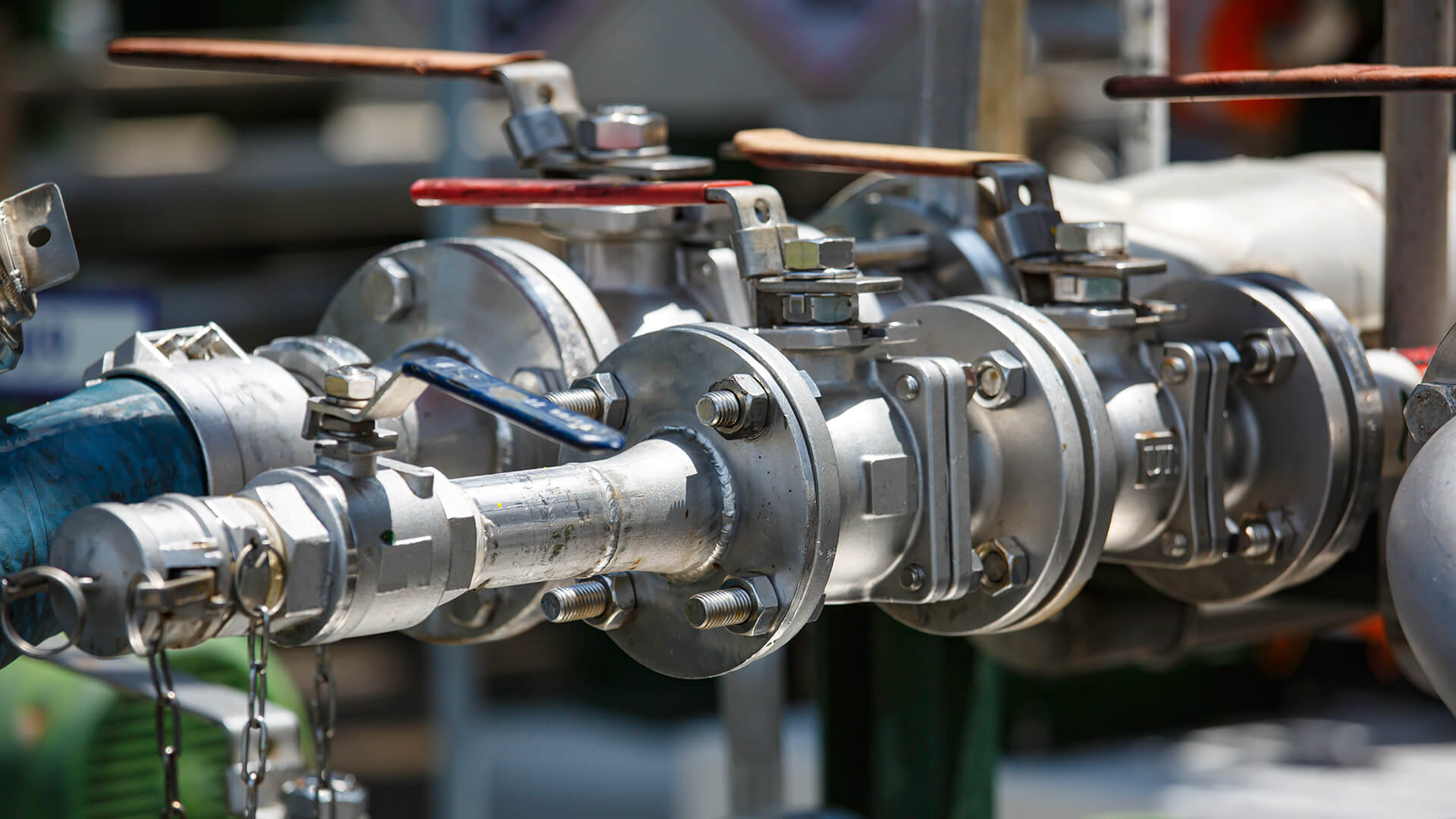
In oil and gas, chemical, and power generation facilities, not all assets carry the same risk. A low-pressure storage tank and a high-pressure reactor are not the same problem. Cenosco IMS applies API 580/581 and ASME PCC-3 methodology to rank every piece of pressure equipment by actual risk — the combination of how likely it is to fail and how bad the consequences would be. The result: your most critical assets get the most attention, and your inspection budget goes further.
Cenosco Partner In the UAE, Saudi Arabia, and India
ImageGrafix is acertified CenoscoPartner — a status that reflects certified expertise, sustained investment in training and accreditation, and a proven track record of successful customer deployments.
If your inspection program is still based on fixed intervals rather than actual risk, we can show you exactly what a transition to RBI looks like — including how long it takes, what data you need, and what it saves.